Anion Gap Calculator for Diabetic Ketoacidosis
How the Anion Gap Reflects in DKA
The anion gap is a helpful way to evaluate metabolic acidosis by reviewing measured electrolytes in the blood. In everyday clinical use, it helps spot whether there are unmeasured acids contributing to a patient’s acid-base disturbance. In diabetic ketoacidosis, the anion gap is especially useful because excess organic acids from ketones increase the gap and signal ongoing acid accumulation.
At its core, the anion gap reflects the balance between positively charged and negatively charged substances in serum. The most common measured values used in the calculation are sodium, chloride, and bicarbonate. When bicarbonate falls and unmeasured anions rise, the result is high anion gap metabolic acidosis, a hallmark of DKA.
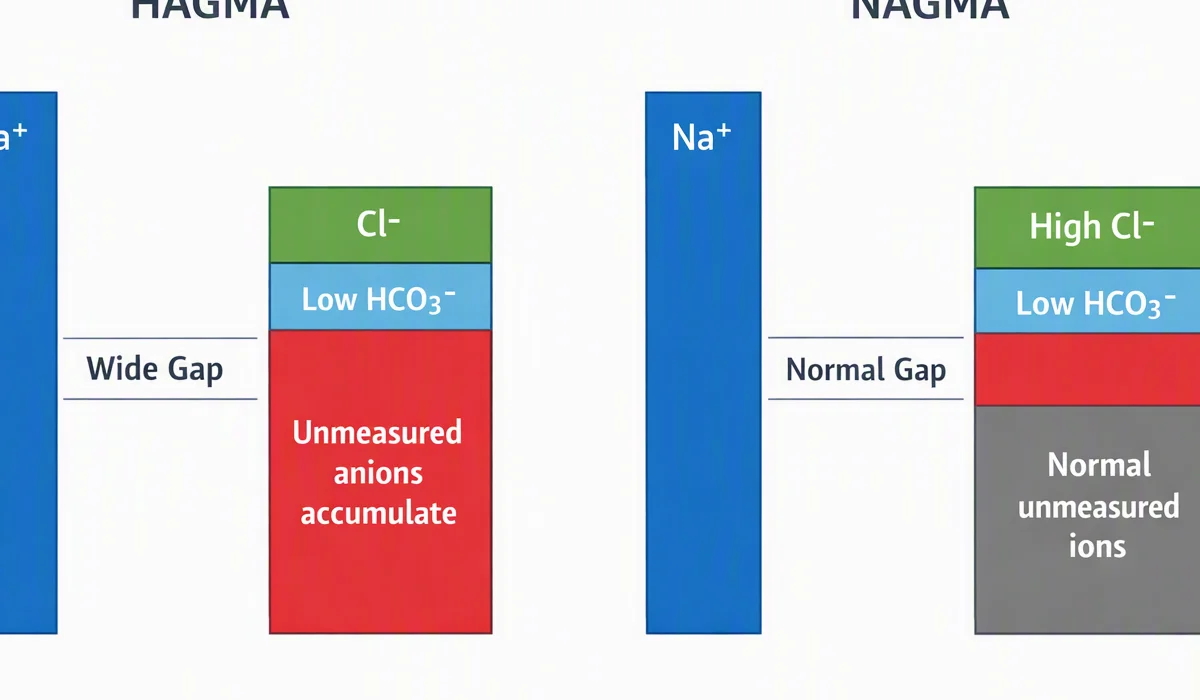
This makes the anion gap a valuable diagnostic marker in clinical assessment. It does not diagnose DKA by itself, but it provides important context for laboratory interpretation, especially when the patient has hyperglycemia, dehydration, and signs of insulin deficiency. Because DKA is a metabolic derangement involving both acid production and volume depletion, the anion gap helps quantify the degree of electrolyte imbalance.
In practical terms, the anion gap calculator helps clinicians judge whether the patient’s acidosis is likely caused by ketone production or by another process. It is a fast way to support severity assessment and track whether treatment is closing the gap as insulin and fluids correct the underlying problem.
Using an Anion Gap Calculator
An anion gap calculator applies a simple calculation formula based on serum sodium, chloride, and bicarbonate. The usual formula reads:
Anion gap = sodium − (chloride + bicarbonate)
Some laboratories include potassium, but many clinicians use the sodium-based formula because it is widely available and more convenient to apply across an electrolyte panel. The result provides a quick estimate of whether unmeasured anions are present in excess.
To apply the formula correctly, first confirm that the values come from the same blood draw and that the patient’s serum bicarbonate is accurate. Then enter the numbers from the chemistry panel into the formula. For example, if sodium is 138, chloride is 100, and bicarbonate is 12, the anion gap is 26. That result shows anion gap elevation and points to a high-gap acidosis.
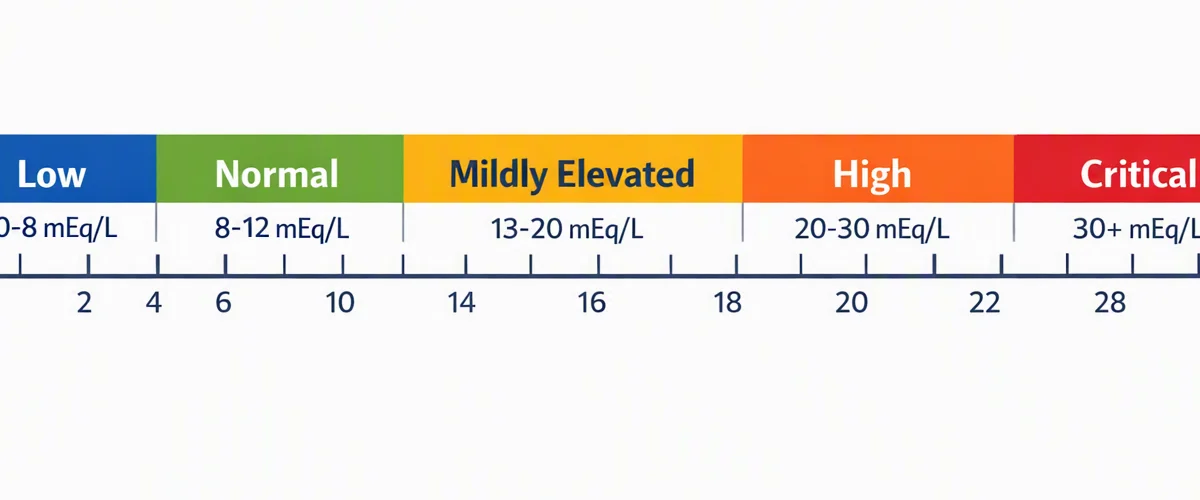
Interpreting the number needs a sense of the reference range. Although the exact range varies by lab, many clinicians consider a typical anion gap to be roughly within the low to mid teens, depending on whether potassium is included and on local assay methods. The calculator is best used as part of a broader clinical assessment rather than as a stand-alone answer.
In DKA, the calculator is useful not only at presentation but also during serial monitoring response. As treatment begins, bicarbonate should rise, ketones should fall, and the gap should narrow. That trend can help show whether the patient is improving even before every value fully normalizes.
The Anion Gap and DKA Assessment
Within diabetic ketoacidosis, relative, or absolute insulin deficiency results in increased ketone production. These ketones function as acids, and their accumulation produces high anion gap metabolic acidosis. The gap becomes elevated because bicarbonate is consumed buffering the acid load, while unmeasured anions from ketones increase in the bloodstream.
Diagnosis of DKA typically includes a combination of findings: raised blood glucose, the presence of serum ketones or additional signs of ketosis, low bicarbonate, and an acidotic pH. The anion gap provides important context because it supports the idea that the acidosis is due to a accumulation of unmeasured acids rather than a simple bicarbonate loss alone.
Clinicians often use the anion gap calculator alongside glucose and ketone results to determine whether a patient’s presentation suggests DKA versus another illness. For example, a patient with hyperglycemia, dehydration, elevated ketones, and a widened gap is far more likely to have DKA than isolated ketosis. The same is true when a falling bicarbonate level and worsening acid-base status are seen together with the gap rising.
The anion gap is also helpful when DKA is evolving or partially treated. A patient may still have abnormal glucose and ketones, but the gap can reveal whether acid burden remains significant. That makes it a useful tool for reviewing diagnosis, tracking response to therapy, and identifying persistent metabolic abnormalities that warrant further attention.
Corrected Anion Gap and Albumin Adjustment
Albumin is the primary unmeasured anion in plasma, so decreased albumin can make the measured anion gap appear incorrectly normal or only a little elevated. This is why albumin correction is important in real-world acid-base assessment. In patients with hypoalbuminemia, the standard anion gap may miss the true burden of acidemia.
The corrected anion gap compensates for low albumin so that occult high-gap acidosis is less likely to be missed. Different formulas exist, but the principle is the same: if albumin is reduced, the anion gap should be adjusted upward to estimate what it would be with normal protein levels. This helps uncover a significant acid-base disorder that might otherwise be obscured.
This is especially important in sick patients with DKA, because dehydration, poor nutrition, inflammation, or chronic illness may lower albumin. In such cases, relying on the uncorrected number alone can lead to missed recognition of ongoing acid burden. Albumin correction therefore improves clinical interpretation and strengthens the link between the lab pattern and the patient’s actual physiology.
Using the corrected value can also improve differential diagnosis. If a patient with low albumin has a “normal” anion gap by the unadjusted number, the corrected anion gap may reveal a true high-gap state from ketones, lactate, or another cause. That distinction is essential when deciding how assertively to pursue treatment or further testing.
Anion Gap vs Other Causes of Metabolic Acidosis
Though DKA is https://ameblo.jp/anion-gap-results311/entry-12977185501.html a classic cause of anion gap acidosis, it is not the only possibility. Other important causes include lactic acidosis, renal failure, and ingestion of toxic alcohols. All of these can produce a similar-looking laboratory pattern, so the anion gap should always be interpreted in the proper context.
Lactic acidosis may occur with septic illness, circulatory collapse, tissue hypoperfusion, or severe physiologic stress. Similar to DKA, it raises the anion gap because lactate is an unmeasured anion. Renal failure can also produce high-gap acidosis because the kidneys cannot clear acids effectively, allowing organic acids to collect.
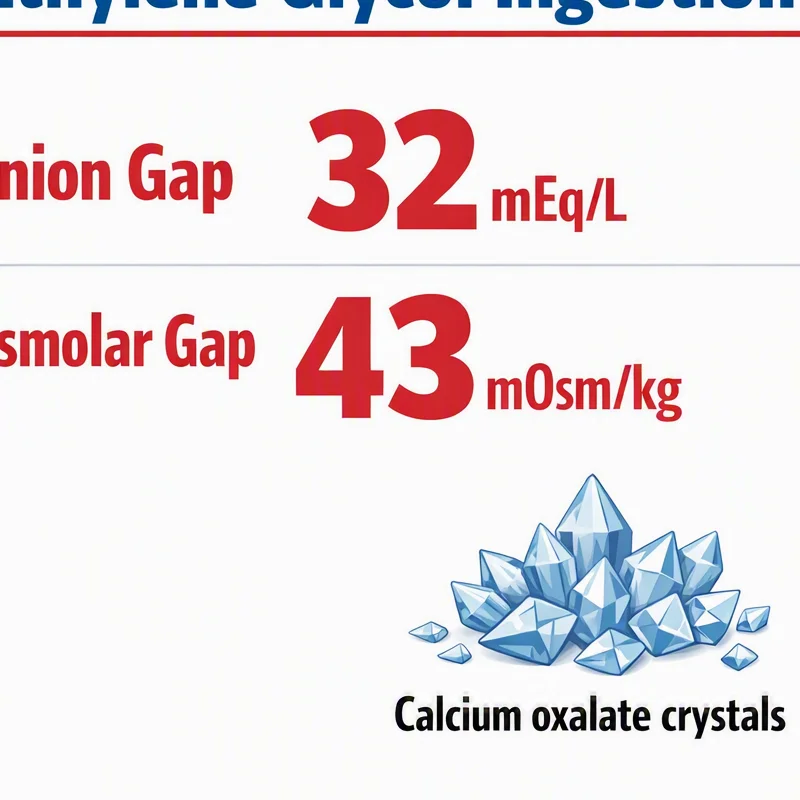
Toxic alcohols such as methanol or ethylene glycol are another major consideration in the differential diagnosis. These substances can create a significant metabolic acidosis with an elevated gap, sometimes alongside osmolar changes and neurologic symptoms. Because the clinical presentation may resemble DKA, history and additional testing matter.
Not all acidosis is high gap. Normal anion gap acidosis is often due to bicarbonate loss from gastrointestinal or renal causes, where chloride rises in compensation. This pattern is different from the acid accumulation seen in DKA. Distinguishing between high-gap and normal-gap processes is central to precise acid-base evaluation.
In practice, the anion gap calculator is one piece of a broader diagnostic puzzle. It helps determine the type of acidosis, but clinicians still need to consider ketones, glucose, lactate, kidney function, medications, toxins, and the full clinical picture before concluding that DKA is the primary cause.
Interpreting Results in DKA Management
After DKA is diagnosed, the anion gap becomes a practical tool for continued management. Together with pH, venous blood gas results, and serum ketones, it helps reveal whether treatment is re-establishing normal acid-base balance. The goal is not only to lower blood glucose but also to halt ketone production and close the gap.
Venous blood gas testing can provide prompt information about pH and bicarbonate status without requiring an arterial sample in many cases. When pH is low and the anion gap is elevated, the pattern suggests active acidosis. As treatment progresses, improving pH and falling ketones should track with a narrowing gap, signaling that the metabolic process is resolving.
This is why clinicians often use the anion gap as a marker of treatment progress. Blood glucose can improve earlier than the acid-base disturbance, so a patient may appear better while still having considerable ketone burden. Monitoring the gap helps confirm that insulin is suppressing ketone production and that the metabolic disturbance is truly resolving.
The relationship among glucose, pH, and ketones also supports more nuanced interpretation. A patient can have a partial response to therapy, with better glucose but persistent high-gap acidosis. That pattern may indicate incomplete insulin effect, continued dehydration, or another acid load. In that setting, the anion gap calculator contributes to real-time clinical decision-making and helps inform further management.
Restrictions, Pitfalls, and Clinical Context
Even though it is useful, the anion gap has significant limitations. Test variability can affect the number, especially because different analyzers and local methods produce slightly different baseline values. This is why the anion gap normal range should always be interpreted according to the specific laboratory used rather than assumed from a universal standard.
A frequent error is failing to recognize mixed disturbances. A patient with DKA may also have vomiting, respiratory alkalosis, or another process that changes the expected laboratory pattern. In such cases, the anion gap may suggest high-gap acidosis while pH or bicarbonate appears less dramatic than expected. That is why the full picture matters.
It is also important to understand that a “normal” value does not automatically exclude clinically significant disease. A patient with DKA and hypoalbuminemia may have a deceptively normal measured gap until albumin correction is applied. Likewise, early or partially treated disease may show a changing gap that needs serial review rather than a single-point interpretation.
The best use of the calculator is as part of clinical interpretation rather than as an isolated answer. The number should be considered alongside symptoms, hydration status, ketones, glucose, kidney function, and acid-base data. In a patient with suspected DKA, the anion gap is a strong clue, but the final diagnosis and management plan depend on the total clinical context.
Common Questions
What is an anion gap calculator used for in diabetic ketoacidosis?
An anion gap calculator is used to estimate whether a patient has high-gap metabolic acidosis, which is common in diabetic ketoacidosis. It helps clinicians assess the degree of acid accumulation, support diagnosis, and monitor whether treatment is closing the gap as ketones fall.
How do one calculate the anion gap from sodium, chloride, and bicarbonate?
The typical formula for calculation is: anion gap = sodium − (chloride + bicarbonate). This applies values from the electrolyte panel. Some formulas include potassium, but the sodium-based version is commonly applied for routine interpretation.
Why is the anion gap elevated in diabetic ketoacidosis?
The anion gap is elevated in DKA because insulin deficiency drives ketone production, and ketones are unmeasured acids. As these acids accumulate, bicarbonate is consumed buffering them, which leads to metabolic acidosis and a widened anion gap.
Should the anion gap be corrected for albumin?
Yes, correction for albumin is often important, especially when albumin is low. Since albumin is a major unmeasured anion, hypoalbuminemia can make the measured gap look falsely normal. The corrected anion gap gives a more reliable picture of acid-base status.
Can a normal anion gap rule out diabetic ketoacidosis?
Not necessarily. A normal anion gap does not reliably rule out DKA, especially if there is low albumin, early disease, partial treatment, or mixed acid-base disorders. Clinical findings, blood ketones, pH, bicarbonate level, and blood glucose should all be considered together.